Same Day Dentistry Outcomes Patients Remember

A 10 a.m. cancellation can feel like lost production. A same-day patient can turn it into a full chair, a solved problem, and the beginning of a long-term relationship. But same day dentistry outcomes are not defined by whether a procedure happened before closing time. They are defined by whether the patient was treated safely, understood the plan, paid with confidence, and left willing to return.
For practice owners and managers, that distinction matters. Filling open time is valuable, but rushing the wrong case into the schedule can create delays, remakes, dissatisfied reviews, and extra work for the front desk. The strongest same-day model balances speed with clinical judgment and a patient experience that feels organized rather than hurried.
What Strong Same Day Dentistry Outcomes Look Like
Same-day availability can support many types of care: emergency exams, pain relief, temporary restorations, simple extractions, cleanings, consultations, whitening, and, when the clinical setup supports it, select restorative procedures. The right outcome depends on the reason the patient called and what the practice can safely deliver that day.
A successful visit usually has four parts. The patient gets a timely answer to an urgent or practical need. The clinical team has enough information to make an appropriate decision. Financial expectations are clear before treatment begins. And the next step is booked before the patient walks out, whether that means a follow-up, a permanent restoration, specialist coordination, or routine hygiene care.
That last point is often missed. A same-day appointment should not become a dead end in the schedule. It should create continuity of care. When a patient comes in for a broken tooth, for example, pain relief or stabilization may be the right immediate outcome. A completed restoration may be possible, but it is not automatically the best measure of success.
Speed Is Valuable, but Candidacy Sets the Limit
Patients often use “same day” to mean “please help me now.” They do not necessarily expect every clinical issue to be permanently resolved in one visit. A practice that sets this expectation early can reduce disappointment while still delivering a fast, reassuring experience.
Clinical candidacy should determine the plan. Medical history, imaging needs, infection, periodontal status, available lab or CAD/CAM capacity, anesthesia considerations, and the complexity of the restoration all affect whether treatment can be completed that day. So do operational realities: provider availability, sterilization turnaround, room capacity, and how much protected time is available without disrupting patients already on the schedule.
For a multi-location group, consistent criteria are especially important. If one location advertises same-day crowns broadly while another only offers stabilization and a later delivery, the patient experience becomes unpredictable. Define the services each location can reliably support, then make those options visible to the scheduling team and any booking partner.
Use a short pre-visit screening process
A quick intake conversation can prevent a poor-fit appointment from consuming the wrong slot. Staff do not need to diagnose over the phone. They do need enough detail to route the patient responsibly.
Ask what happened, when symptoms began, whether there is swelling or trauma, whether the patient is in pain, and whether they have recent X-rays or a regular dentist. Confirm relevant medical concerns and explain that the dentist will determine the final treatment plan after an examination. For cosmetic requests, ask what outcome the patient wants and whether they have a time-sensitive event.
This approach protects clinical standards without making access feel complicated. Patients want clarity. A simple message such as, “We can get you evaluated today and discuss the fastest safe treatment option,” is both accurate and calming.
Design the Schedule Around the Visit You Can Actually Deliver
Same-day care breaks down when the appointment book promises more than the team can absorb. The answer is not to leave every opening available to anyone who clicks. It is to create deliberate capacity.
Many practices benefit from holding a limited number of flexible blocks for urgent exams, new-patient evaluations, and short-notice treatment. The size and timing of those blocks should reflect actual demand, provider mix, and historical conversion. A practice with frequent emergency calls may need morning access for diagnostics and afternoon capacity for treatment. Another may see more value in placing same-day consults around hygiene openings.
Front-desk teams also need clear escalation rules. If a caller reports facial swelling, severe trauma, uncontrolled bleeding, or breathing or swallowing difficulty, staff should follow the practice’s clinical emergency protocol rather than simply offering the next open appointment. Fast access is meaningful only when the routing is appropriate.
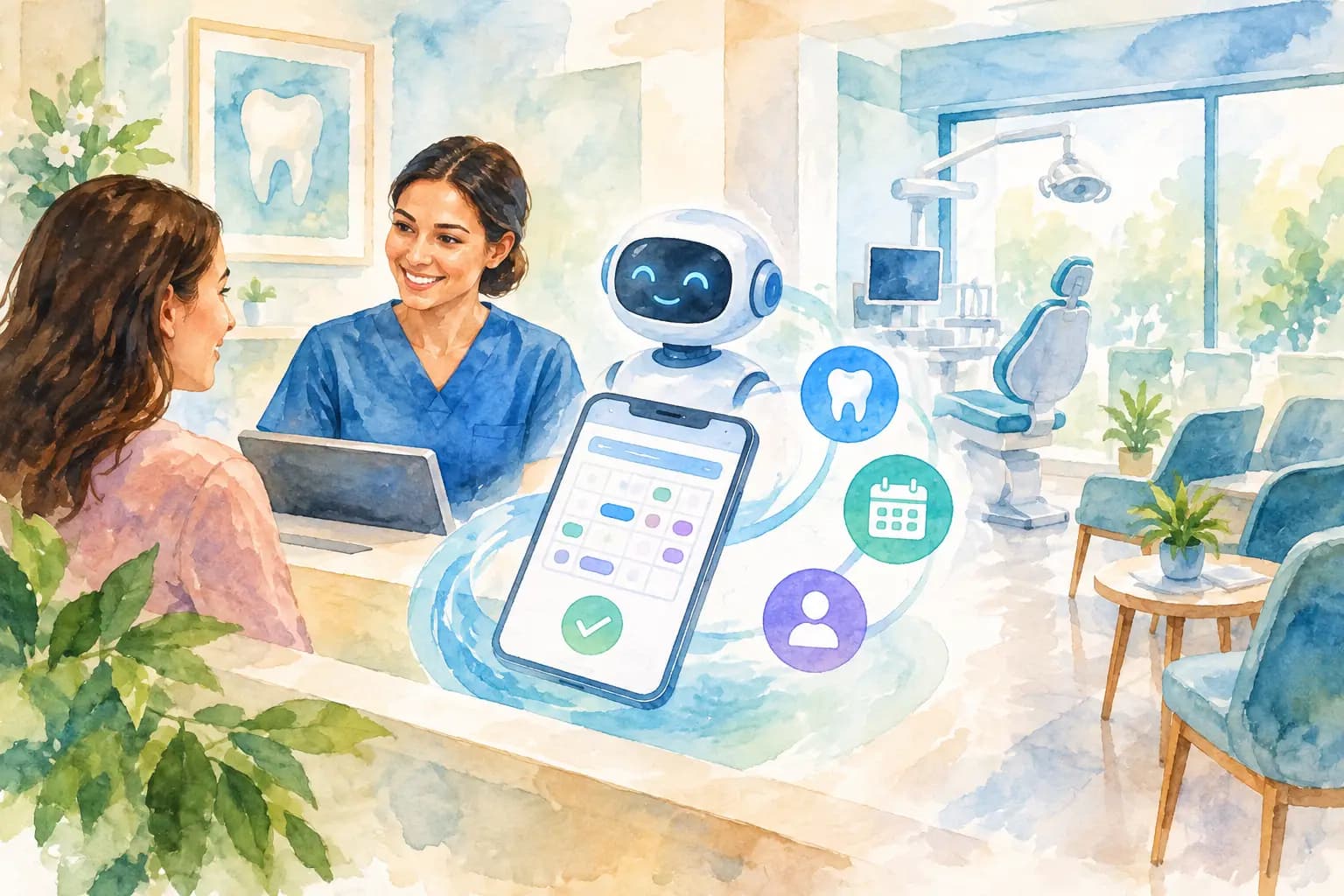
Operationally, review whether same-day patients create bottlenecks at check-in, imaging, treatment presentation, or checkout. If they do, the issue may not be lead volume. It may be that the office has not assigned ownership for each handoff. A warm transfer from scheduling to the clinical team, followed by a prepared financial conversation, can keep an urgent visit from becoming an avoidable delay.
Make the Financial Conversation Part of the Care Plan
A patient who accepts an appointment quickly may still hesitate once costs, insurance estimates, or treatment alternatives are introduced. This is where rushed communication harms outcomes. The patient may feel pressured, and the practice may lose both immediate production and future trust.
Before treatment begins, explain the clinical finding, the recommended next step, reasonable alternatives, expected fees, and what may need to happen later. Use plain language. Avoid presenting a same-day option as the only option when it is not.
For some patients, a limited same-day service is the right choice because they need relief and time to consider a larger plan. For others, clear financing options or a first-visit incentive can remove a barrier to proceeding. The objective is informed acceptance, not a fast signature.
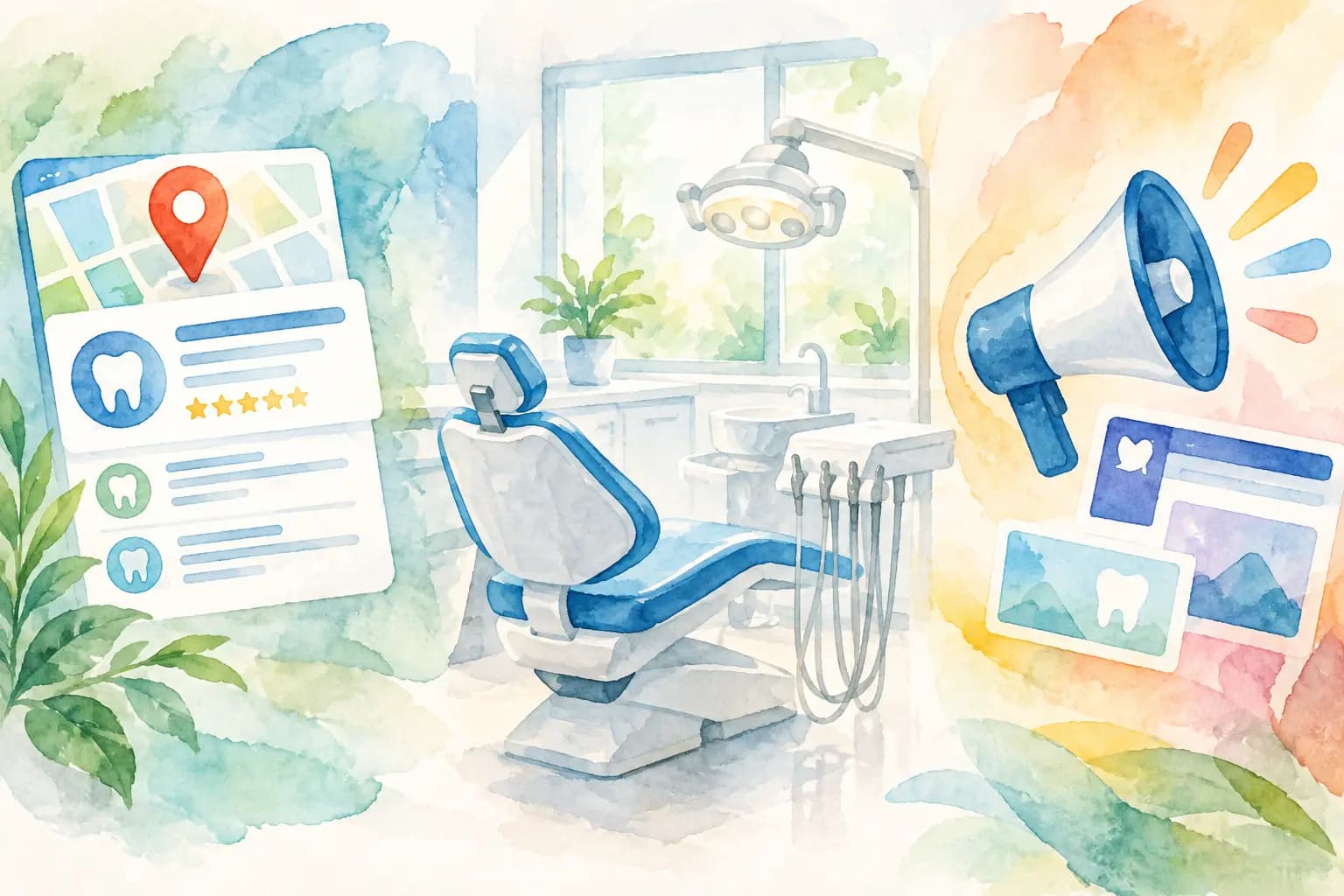
This is also where transparent booking platforms can help. Book My Smile gives patients a straightforward path to find verified local clinics, compare availability, and book without a booking fee. For practices, that means the patient arrives with a clearer expectation that an evaluation comes first and that treatment recommendations follow a professional assessment.
Measure More Than Filled Chair Time
A full schedule can hide weak same day dentistry outcomes. If staff are constantly working through incomplete forms, late arrivals, unclear insurance information, or patients who decline because expectations were never set, the open slot is not producing the value it should.
Track the full path from inquiry to completed visit. Start with booking source and time to appointment. Then monitor show rate, treatment acceptance, production completed, follow-up scheduled, and any cancellation or no-show patterns. For urgent patients, add a simple measure of whether the primary concern was addressed or the patient was appropriately referred.
These numbers should be reviewed by service type, not only in aggregate. A same-day emergency exam and a same-day cosmetic consultation have different conversion timelines. Comparing them as if they should behave the same can lead to poor staffing and marketing decisions.
Patient feedback adds necessary context. If reviews praise fast access but mention surprise costs or rushed explanations, the practice has a communication problem, not a speed problem. If patients routinely say they felt heard and knew what would happen next, the process is likely supporting retention as well as production.
Watch for the trade-off between access and disruption
Same-day capacity should not come at the expense of every scheduled patient. When urgent cases repeatedly push the day behind, teams become stressed and established patients notice. The solution may be to limit the types of cases offered online, build a rotating provider coverage plan, or reserve certain procedural resources for pre-screened cases.
There is no universal ideal number of same-day slots. A high-volume general practice, a boutique cosmetic office, and a regional group with centralized call handling will each need a different model. What matters is that the schedule reflects actual clinical and administrative capacity, not an optimistic promise.
Turn the First Visit Into a Reason to Return
The patient’s next decision starts before checkout. Confirm post-treatment instructions, answer the practical questions they may be embarrassed to ask, and make the next appointment easy to understand. If treatment was temporary, say so plainly. If a specialist referral is needed, explain why and who will coordinate it.
Follow-up should match the visit. An emergency patient may need a next-day check-in. A patient who postponed elective treatment may benefit from a short, useful message that restates the recommended plan and the available appointment options. Generic reminders are efficient, but targeted follow-up is more likely to feel personal and relevant.
The best same-day systems do not promise that every problem can be fixed in hours. They promise something more credible: a patient can get timely attention, a clear answer, and a practical next step. Build the workflow around that promise, and an open chair becomes more than recovered production. It becomes proof that your practice is ready when patients need it most.